


Advertising
Nowadays you can’t expect to have your business growing without advertising. From the classic TV once, through digital options in different channels, mouth to mouth, events and the outdoor opportunities. Huge verities of options to make your brand visible and wanted.
Fallowing the technologies, the first paid ad was Benjamin Franklin’s Newspaper Advertisement in 1729. Franklin, who was a printer, publisher, and one of the founding fathers of the United States, published an ad in the Pennsylvania Gazette to sell his printing equipment. This ad is considered one of the earliest examples of a paid, printed advertisement aimed directly at consumers.
The first broadcast advertisement is widely recognized as the one aired on radio in the United States. It was for Fulton Beer and was broadcast on August 28, 1922, over station WEAF in New York City, which later became part of NBC. Promoted Fulton Beer, with a 10-minute spot that included music, live announcers, and the product message. Can you imagine – 10 minutes ad spot! If you do one like that today will cost you a whole fortune for sure and probably will be considered as a paid podcast.
And the first paid television advertisement is generally credited to Clarnoy Strode in the United States. It aired on July 1, 1941, on New York station WNBT (which later became WNBC). However, the ad was very simple and brief, lasting only about 10 seconds, and was for Bulova watches. You can see it here due to the technologies that make it possible to be saved up to now.
And today, thanks to digitalization, everything fits in our pockets — from ads and shopping to social proof and instant purchases, your phone puts the whole marketplace at your fingertips.
Budgets Matter
Of course budgets matter. Not every business can set aside the huge sums a full 360-degree marketing campaign demands. Yet a business without any advertising won’t last long. Here are some golden rules (percent of revenue):
Established companies: generally allocate 5%–10% of annual revenue to maintain market share.
Growing or new companies: therefore aim higher — 12%–20% (or more) to push aggressive growth and market entry.
Mid-level B2B: typically plan for 6%–8% of revenue.
Mid-level B2C: in contrast, usually budget higher, often 8%–15%.
These are the rules every marketer has read, used, and defended in front of a CEO. Moreover, while traditional channels labeled ATL and BTL once felt expensive and out of reach, today we have many flexible communication options. Consequently, we can test, target, and scale messages to the right audience more efficiently.
Television and major events still cost the most; however, you can appear on air without triggering a financial collapse by choosing smarter, more targeted approaches.
Finally, with the right mix, even small budgets can deliver big impact.
Product Placement — the Hidden Weapon in Content
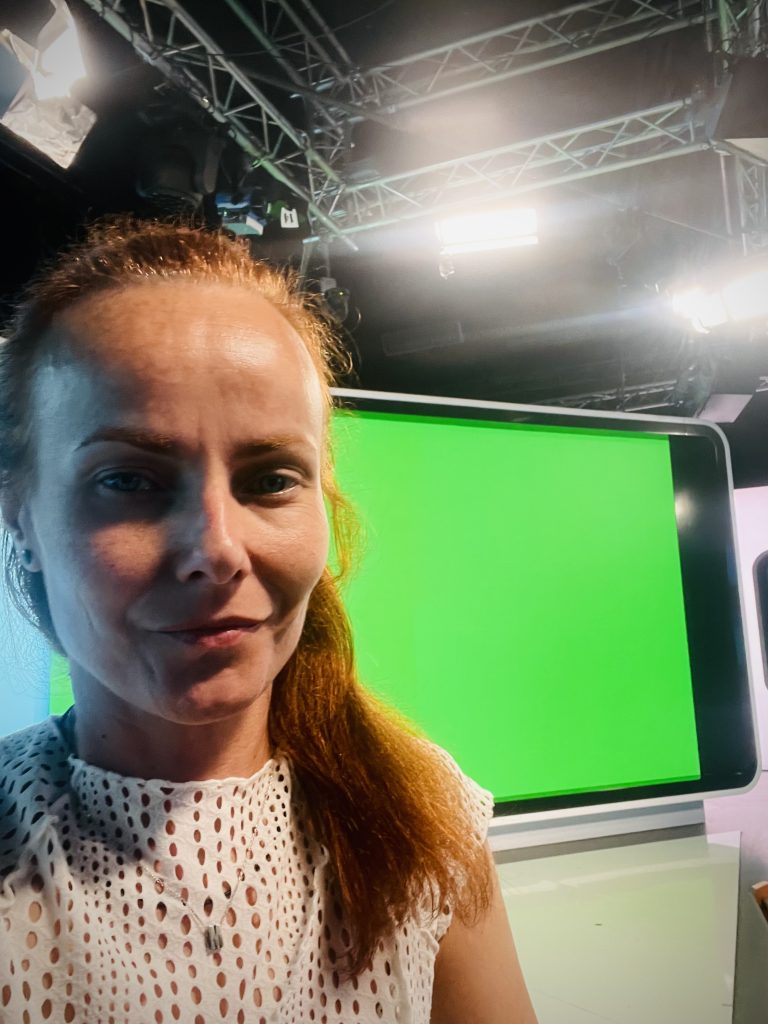
I’ve worked in marketing communications for over 19 years, and the last five have focused especially on product placement in TV – bTV Media Group Bulgaria. I’m glad I rode the many ups and downs across every type of marketing communication. Historically, brands have woven products into entertainment long before product placement became a deliberate strategy.
For example, the silent film Wings (1927) shows a character drinking Pepsi-Cola — an early case of a brand appearing in a film narrative. Later, and more famously, E.T. the Extra-Terrestrial (1982) featured Reese’s Pieces, which noticeably boosted the candy’s sales. That moment proved, once and for all, how powerful intentional product placement can be as a marketing tool.
And of course one of my favorite examples — Cast Away (2000) with Tom Hanks. Wilson Sporting Goods didn’t pay for placement; instead, filmmakers used their volleyballs and Wilson supplied about 100 balls for the shoot. As a result, Wilson’s ball, “Wilson,” became a central on-screen character, and afterward the company smartly produced the same branded ball from the film — it turned into a best seller. Similarly, DHL scored subtle, effective placement that felt natural in the story.
Finally, other great examples include Heineken’s non-alcoholic beer in the James Bond series, which extended product placement into a wider promotional campaign.
Moreover, product placement now shows up more and more in TV shows than in movies, popping up naturally in episodes and reaching viewers week after week.
Why Product Placement?
As I already mentioned, not every business can budget for a TV campaign with a full TVC run, prime-time saturation for at least 14 days, and 80% reach. Moreover, even that level sometimes falls short. In Bulgaria, where I live, television still remains the main communication channel. Furthermore, RTL AdAlliance’s Living Room Study 2026 shows that 64% of Europeans watch video content on their primary TV screen every day — significantly more than in the US and China. However, digitalization marches in full force here too, and therefore well-planned online campaigns can deliver very effective results. But let’s return to product placement.
So, is product placement effective, and how should you plan it?
The answer is short — yes. Product placement can work very effectively and deliver excellent ROI. In fact, at a much lower cost than a well-planned on-air campaign, you can achieve strong saturation and reach — and do so within formats that directly hit your target group. After all, every show has its own audience. Accordingly, depending on your goals, you can play the scenario that suits you best.
When it comes to execution, we use several main approaches:
- most popular: visualization and usage of the product/service;
- all in one: visualization and usage plus mention of the product/service;
- visualization only or mention only — this works best for image campaigns or combined with other tactics;
Now, here’s the most important practical wisdom I learned working specifically on special TV projects.

First, pick the right show, whether reality or serial show. For example, a cosmetics brand fits perfectly into a format like “The Bachelor”. Consequently, you can weave the product naturally into the content because that show targets mostly women, and each contestant — even subconsciously — pays more attention to looking good on camera. Thus, visual use and on-screen application can appear together or alternate across episodes.
Second, plan according to your marketing calendar. Formats usually film well before air dates. They might shoot in summer and broadcast in winter. Therefore, align your planned activities with the show’s airing schedule. The idea: product placement should support your main campaigns.
So, if you’re a food producer and you run promotions in November–December, choose a format that airs then and, of course, matches the first rule. Also, remember you usually invest for a future period — you film now and reap the benefit when the episodes air. In short, product placement gives you flexibility.
Planing
Third, book your appearances smartly. Better plan more than 4. Moreover, if you only have 4 integrations, they must be very concentrated to create impact. This approach works well when you bring branded elements and guarantee visibility in key segments. Personally, I see 10 placements in a 60-episode format as a practical minimum. You can’t expect much from one or two sporadic appearances.
Fourth, aim for 8–10 seconds of direct brand exposure. In product placement, we measure impact in seconds of a scene. Believe me, ten seconds gives viewers time to notice you. Five seconds usually won’t cut it.
Fifth, respect the content. The more you intrude, the worse the result. Remember, behind every professional placement stands a team of editors, directors, and creatives who make it work.
Sixth, use additional channels. Usually media sellers offer both broadcast and online options. Each format has extensions, so if you join a show, check how you can extend your presence into digital space. That expands your audience reach and boosts the whole activation’s effectiveness.
Seventh, avoid intrusive scenes. If your product scenes feel forced, the execution fails. Let’s not forget: product placement isn’t TV teleshopping — it should integrate organically and serve the story in the best possible way.
Eighth (it’s my favorite number). Pay close attention to your props. Moreover, trust the show’s crew and the creative team when they recommend the most suitable props. Sometimes product integrations don’t work by simply showing and using the product; instead, you need supporting elements that link contextually to the storyline. Therefore, props matter hugely: make them professional, match the scene, fit the scale, and suit the shooting style.
After all, at the end of the day the visibility of your brand matters.
From my own experience: Wella, how Strategic TV Placement Fueled Consumer Pull
A client didn’t run TV commercials — their business sells B2B, but end users are B2C. That presented a real challenge for me and all the team. Consequently, I pitched product placement after conversations with the client revealed that their salons’ demand comes directly from final consumers. The brand? Wella Professional.
Their business targets hair salons, yet consumers actually use the products. Therefore, our main goal became simple: make end users ask for Wella in the salon. We nailed it. Thanks to the team for trusting the idea — the demand started to move through the whole chain.
We executed the idea on The Bachelor — a perfect place for this kind of integration. First, we picked episodes close to the finale so only about four women remained; consequently, the screen time felt personal and meaningful. Then, we arranged a group-gift moment: the bachelor brought his “close” hairdresser to Greece (where the show filmed) — in reality they weren’t close, but the story fit.
How?
Next, we flew in Wella Professional’s face for Bulgaria, top stylist and trainer Dimo Zlatarev, and set up a pop-up salon on location.
Meanwhile, he spent more than six hours coloring and treating the four women, and we captured beauty footage and live audio during the procedures. Afterwards, we edited short 10-second clips for each contestant showing before-and-after results, and we mixed in salon close-ups for strong brand visuals. Additionally, Dimo had a small speaking role with the bachelor so the integration flowed naturally into the storyline.
Ultimately, we created elegant, contextual placement with high brand presence and clear viewer impact.
We used the TV integration smartly and then gave it new life through the show’s digital extensions, boosting reach across social and on-demand clips. Additionally, we layered alternative ad formats — overlays cut-in — to make the whole integration dense and consistent.
Ultimately, product placement wins when everyone talks about it as part of the story, not as advertising, and that’s exactly what we achieved: a B2B business turned into a B2C communication channel, integrated so seamlessly it felt like a story within the story.
Product Placement — Long or Short-Term Tactic?
Product placement works brilliantly as a short-term tactic when you need quick, targeted visibility tied to specific dates — think product launches, seasonal promos, or event windows. In those cases, you can book episodes that air at the right moment and spark immediate consumer pull.
At the same time, placement supports long-term goals: repeated integrations build brand association, live on through reruns and digital extensions, and generate sustained word-of-mouth.
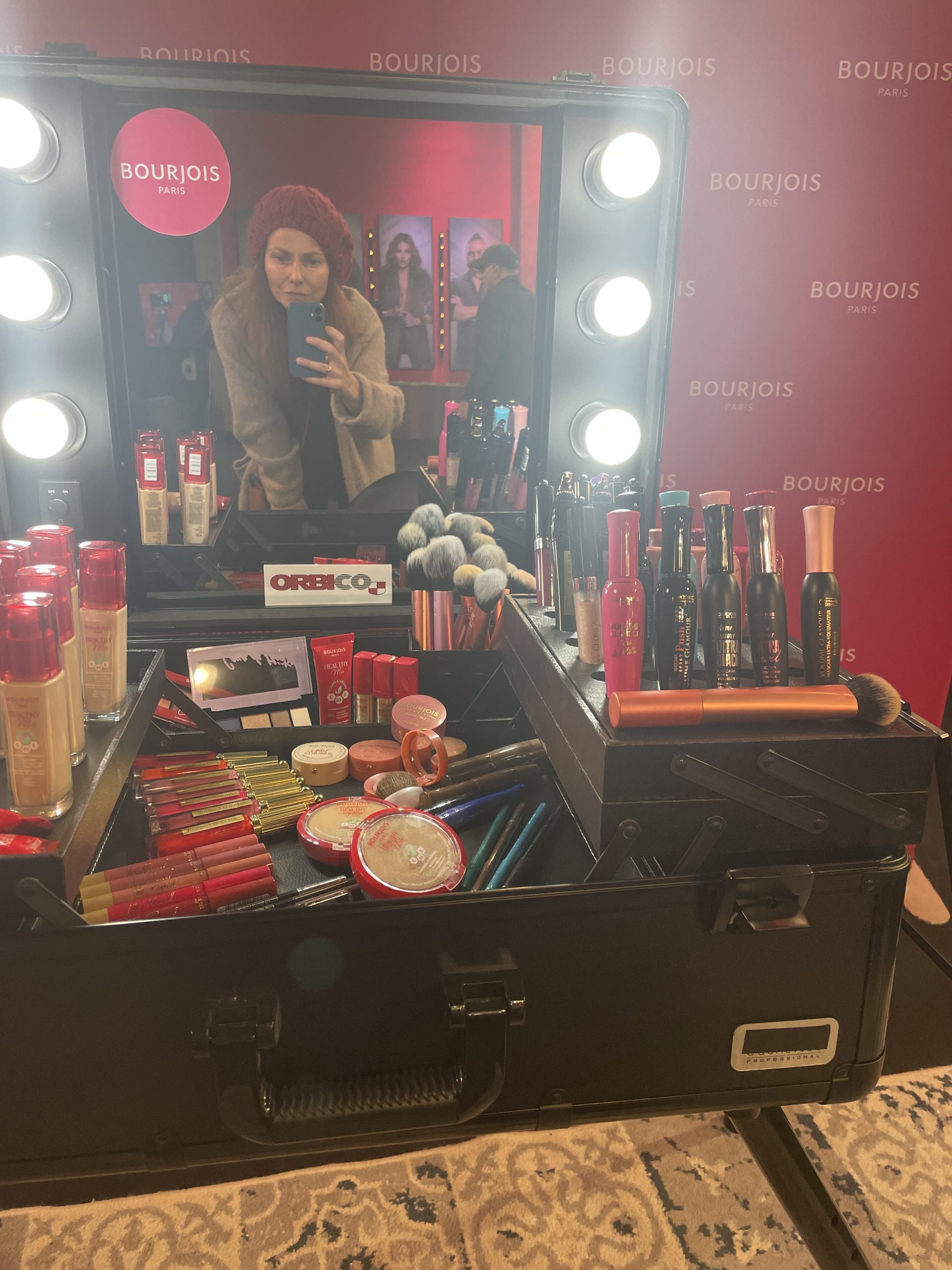
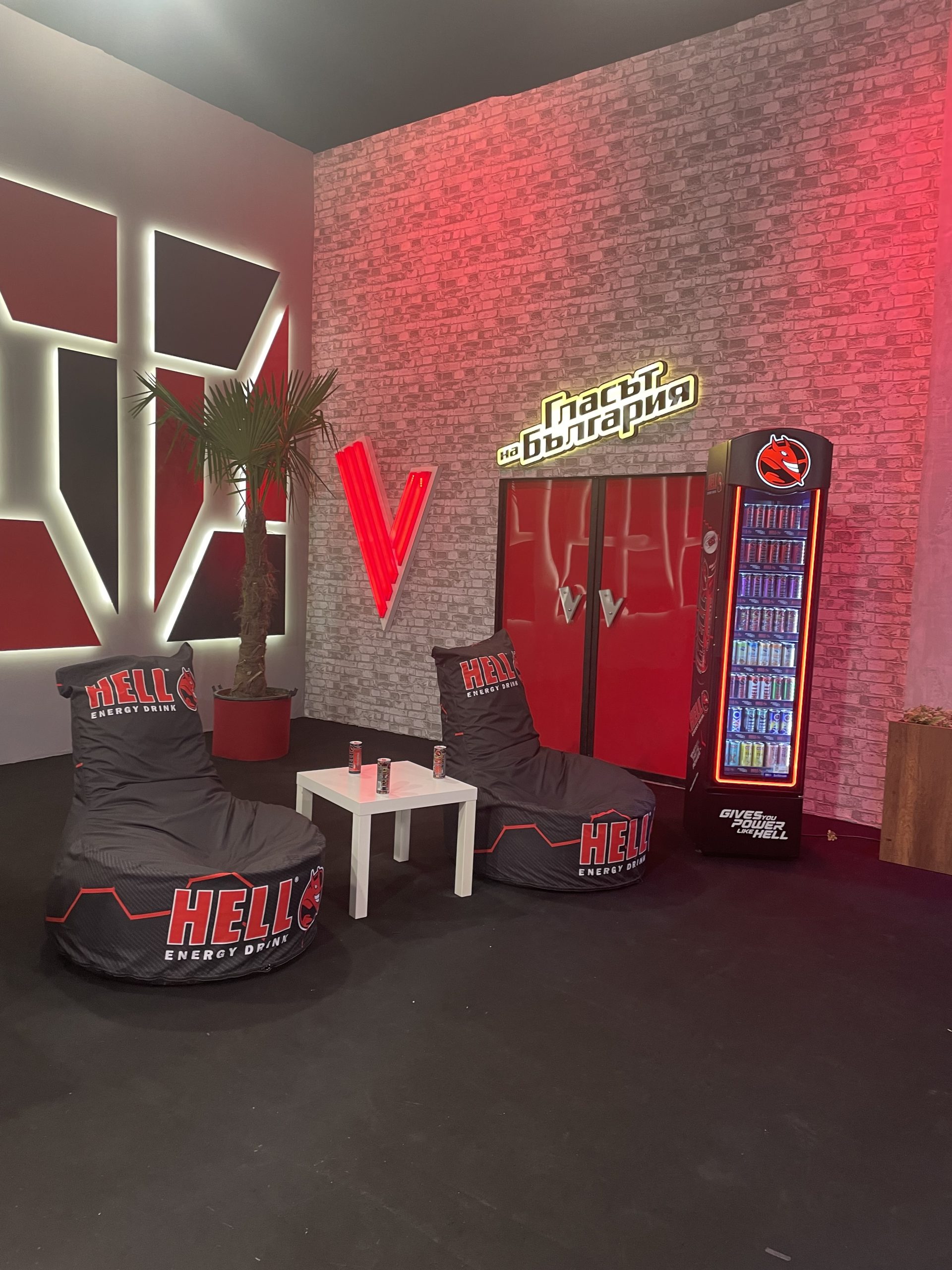
Therefore, use short-term placement for fast impact when you can align air dates with your campaign. Conversely, choose repeated or extended placements when you aim for brand equity, habitual demand, or category ownership. Ideally, combine both: ignite interest with a timely placement, then amplify it with digital and PR follow-ups to turn that spark into lasting momentum.
Product Placement — Why?
The biggest strength of product placement lies in being part of the content. Your brand appears inside a show — not outside it, not in a commercial break. Moreover, viewers often use traditional ad breaks to do something quick — grab a drink, snack, or wash a couple of dishes. Furthermore, with tech progress, audiences learned to watch their favorite shows with delayed start, which lets them skip ad breaks and focus on the story. However, they can’t skip product integrations, because those moments belong to the plot and to what truly engages them.
Additionally, product placement works best when you handle it with finesse and taste, without crossing into intrusive advertising — remember, this isn’t WS Teleshop. Therefore, your integration shouldn’t explain; instead, it should present your brand meaningfully within specific content. In short, don’t make the brand stand out awkwardly — let it blend in. Consequently, the audience that loves a TV show will also warm to your brand, provided the placement feels measured, unobtrusive, and elegant.
Be brave — if you want a flexible, short-term broadcast option, jump into product placement. Moreover, if you want an expert, I’ll happily review your case and give professional input.
All photos are under authority rights and can not be used out of this site.
Written by Vesela G.